
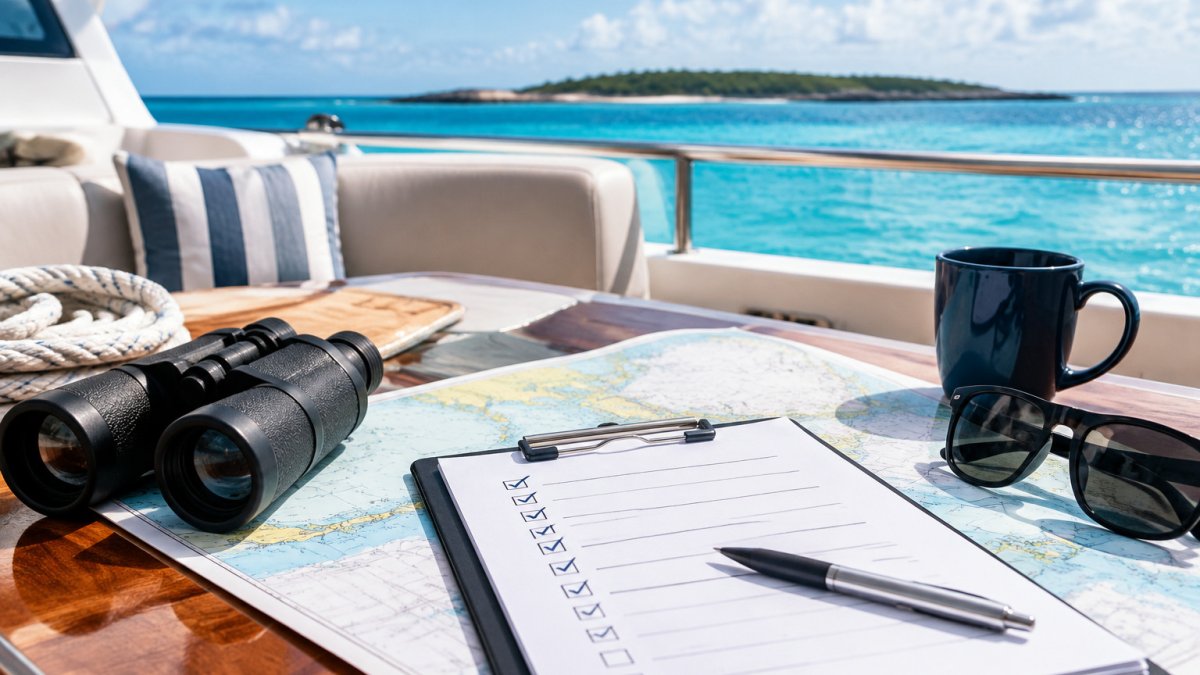
10 Bahamas Crossing Go or No-Go Checks for Yachts
Last Updated: November 5, 2026
Quick Summary
A go or no-go checklist for a Bahamas yacht crossing is a written set of pass-or-fail checks agreed before departure, covering weather, vessel readiness, fuel, crew and paperwork. Decide each item in advance so the call is made calmly at the dock rather than under pressure.
- Compare at least two marine forecasts and treat disagreement between them as a caution flag.
- Read wind direction against the Gulf Stream current, since wind opposing the current builds steep seas.
- Write forecast thresholds as numbers for sustained wind, wave height, visibility and thunderstorms.
- Calculate fuel from realistic speed and load, and carry a reserve covering delays and a diversion.
- Confirm passports, vessel documents and the crew manifest are ready before the booking confirms.
Table of Contents
- Why a Bahamas Crossing Needs a Written Go or No-Go Decision
- Weather Window and Gulf Stream Conditions to Check Before You Leave
- Vessel, Fuel and Crew Limits That Trigger a No-Go
- Bahamas Customs and Immigration for Yachts: What to Have Ready Before Your Booking Confirms
- Frequently Asked Questions
Planning a Bahamas crossing on a yacht takes more than a good forecast. A go or no-go checklist put on paper before departure helps captains and charter guests make decisions calmly rather than under pressure at the dock. Weather, vessel readiness, crew condition and paperwork each deserve a clear yes or no before anyone casts off.
Why a Bahamas Crossing Needs a Written Go or No-Go Decision
A written checklist turns a difficult judgment into pass-or-fail questions agreed before the day arrives, removing the temptation to push ahead because the trip is already paid for.
Open-water crossings change quickly, so revisit the decision at the departure point rather than making it once in advance.
Weather Window and Gulf Stream Conditions to Check Before You Leave
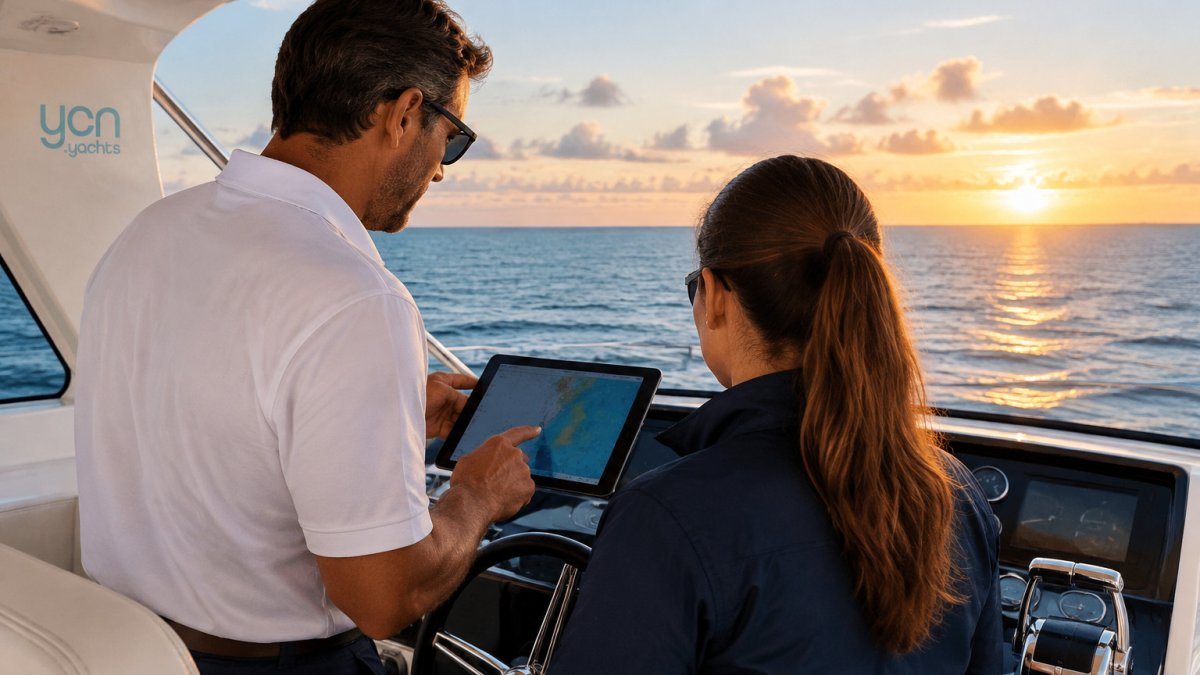
The weather window is the block of hours when wind, sea state, visibility and thunderstorm risk all sit inside limits your captain has written down in advance. Read the marine forecast across the entire crossing time, not just the departure hour, and compare at least two sources, the National Weather Service marine forecast for the Florida and Bahamas waters and a second model, so you can see whether they agree (National Weather Service marine forecasts).
Why the Gulf Stream decides the crossing
The Gulf Stream runs north-northeast past South Florida, closest to the coast between Miami and Palm Beach before bending toward the Bahamas. It is the single biggest reason a Miami-to-Bimini run behaves differently from an inshore cruise. When wind blows from the north or northeast against the north-flowing current, seas stack up steeply and quickly, the classic "wind against current" pattern that turns a routine crossing into a punishing one for guests.
Miami departure points and route-specific hazards
Most Miami-area crossings to Bimini leave from Government Cut at Miami Beach, Port Everglades in Fort Lauderdale, or marinas around Biscayne Bay. Each carries its own considerations:
- Government Cut and the Miami Beach inlets concentrate commercial traffic, so time your exit around cruise and cargo movements and confirm the inlet is not restricted.
- Port Everglades is a busy commercial channel; cross it cleanly and stay clear of the shipping lane.
- Biscayne Bay departures add a run south or east before open water, so build that time into the window.
Forecast thresholds to write down before you leave
A checklist only works if the limits are numbers, not adjectives. Before the booking confirms, the captain and group should agree on thresholds, and understand that the right numbers depend on the vessel, its size, and the crew's experience, so these are examples, not universal rules:
- Sustained wind: a firm upper limit for the crossing, lower if wind opposes the current.
- Wave height and period: a maximum sea state the vessel and guests can handle comfortably, read with period, short, steep seas are worse than the same height over a longer period.
- Visibility: a minimum for departure and arrival, especially for reef-strewn Bahamas approaches.
Watch out: a forecast that looks fair at the dock can change by mid-Stream, so revisit the decision at the departure point and again before committing to the open-water leg.
Vessel, Fuel and Crew Limits That Trigger a No-Go
A no-go decision is often triggered by the boat or the people, not the sky. Before any crossing, confirm the vessel is genuinely ready, the fuel covers the run with a real reserve, and the crew are fit to make the passage, and write each as a pass or fail.
Pre-departure vessel inspection
Walk the boat the day before, not the morning of. Confirm engines start cleanly and run at temperature, bilge pumps cycle, through-hulls and seacocks operate, steering is free, and navigation and radio equipment power up and hold a signal. Check that required safety equipment is aboard, in date, and accessible. A fault found at the dock is an inconvenience; the same fault mid-Stream is an emergency.
Fuel range and reserve
Fuel is where optimism gets people into trouble. Calculate the run on actual expected speed and load, not brochure figures, and carry a reserve covering delays, a diversion, and maneuvering at each end. If the reserve does not clear your margin, that is a no-go regardless of the forecast.
USCG-required equipment and communications
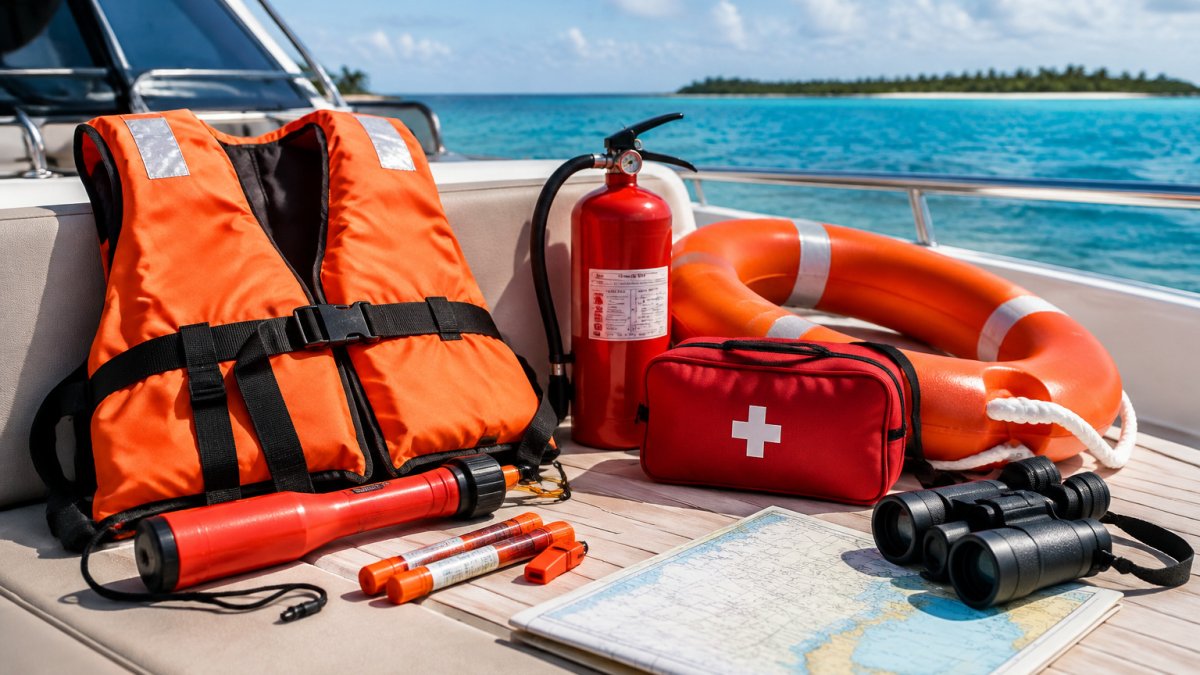
Confirm the safety equipment required for your vessel size and route is aboard and serviceable, and that everyone knows where it is. See the Bahamas-capable safety equipment list to compare your kit against what the crossing calls for. Communications deserve their own check: a working VHF, a backup means of reaching shore, and a float plan left with someone who will notice if you do not arrive.
Crew readiness, roles and fatigue
Crew readiness matters as much as hardware. Fatigue and seasickness blunt judgment, so confirm everyone is rested and fit, assign clear roles, and plan watches so no one is on the helm too long. Seasickness is a decision factor, not a discomfort to push through, a green crew cannot handle a problem at sea.
Set clear limits before departure:
- Fuel reserve covers the route with margin for delays and a diversion
- Engines, bilge pumps, steering and navigation equipment are working
- Required USCG safety equipment is aboard, in date and accessible
Vessel-type differences
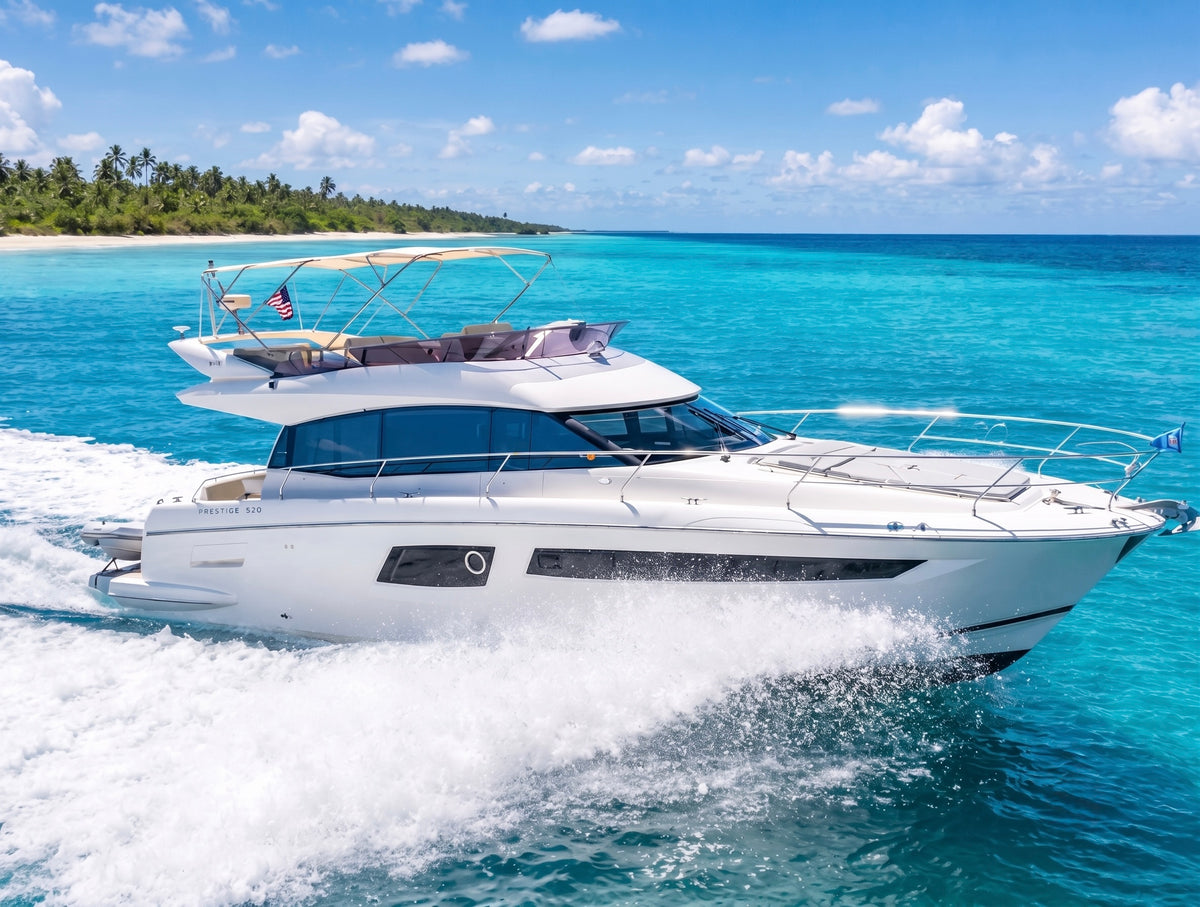
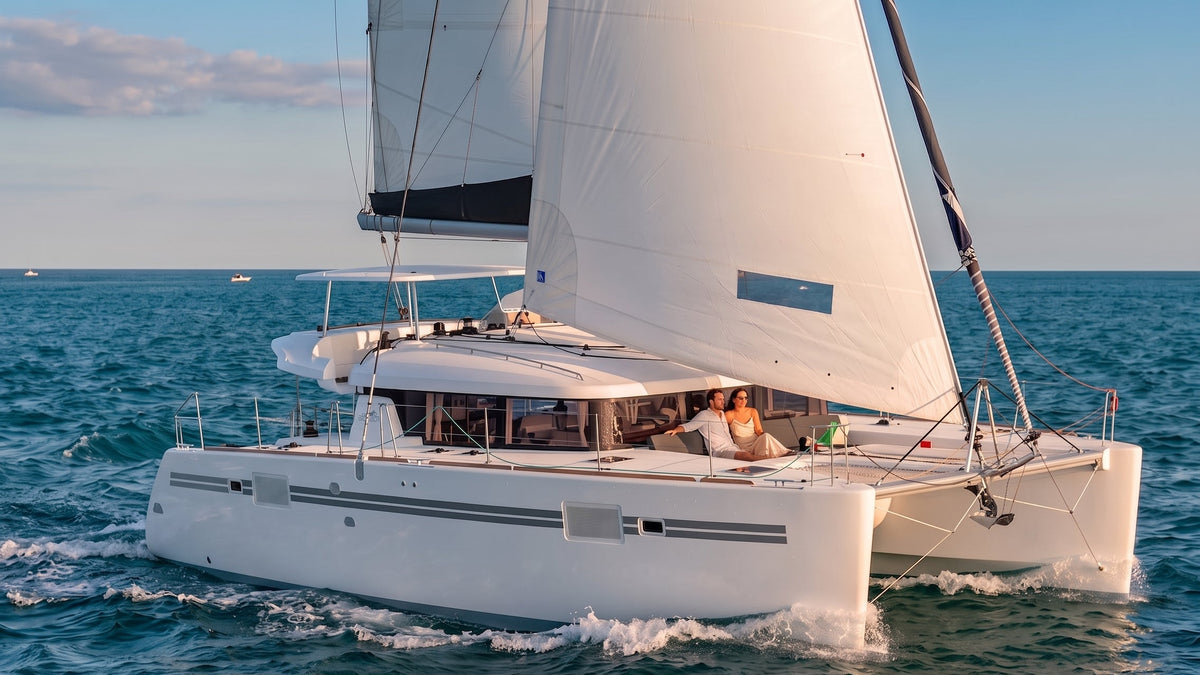
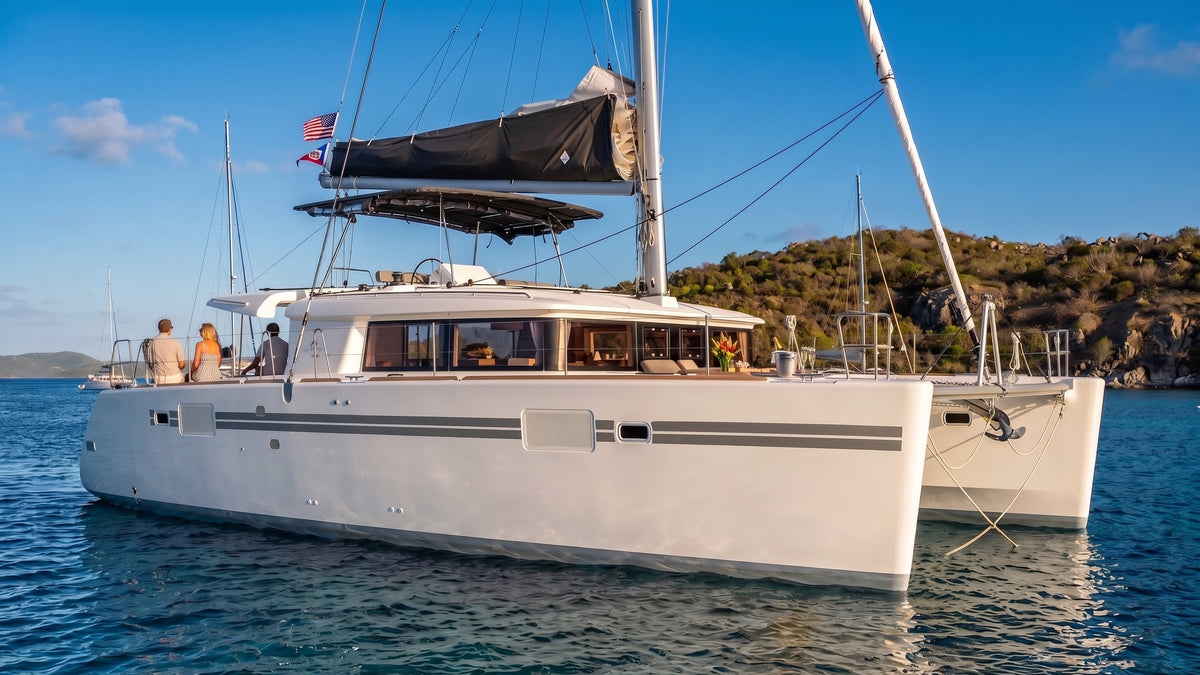
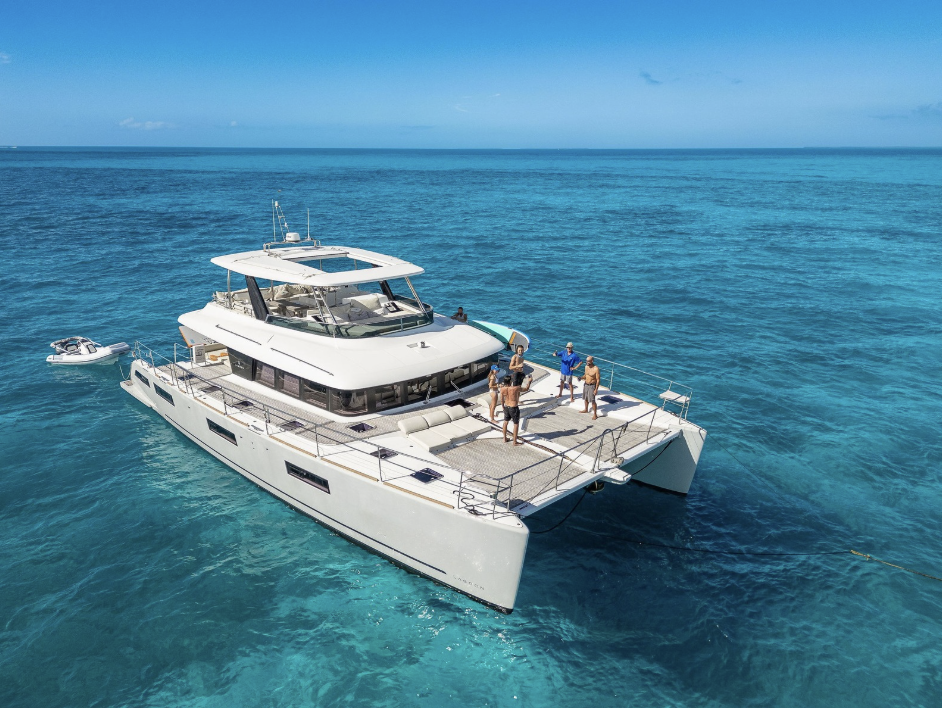
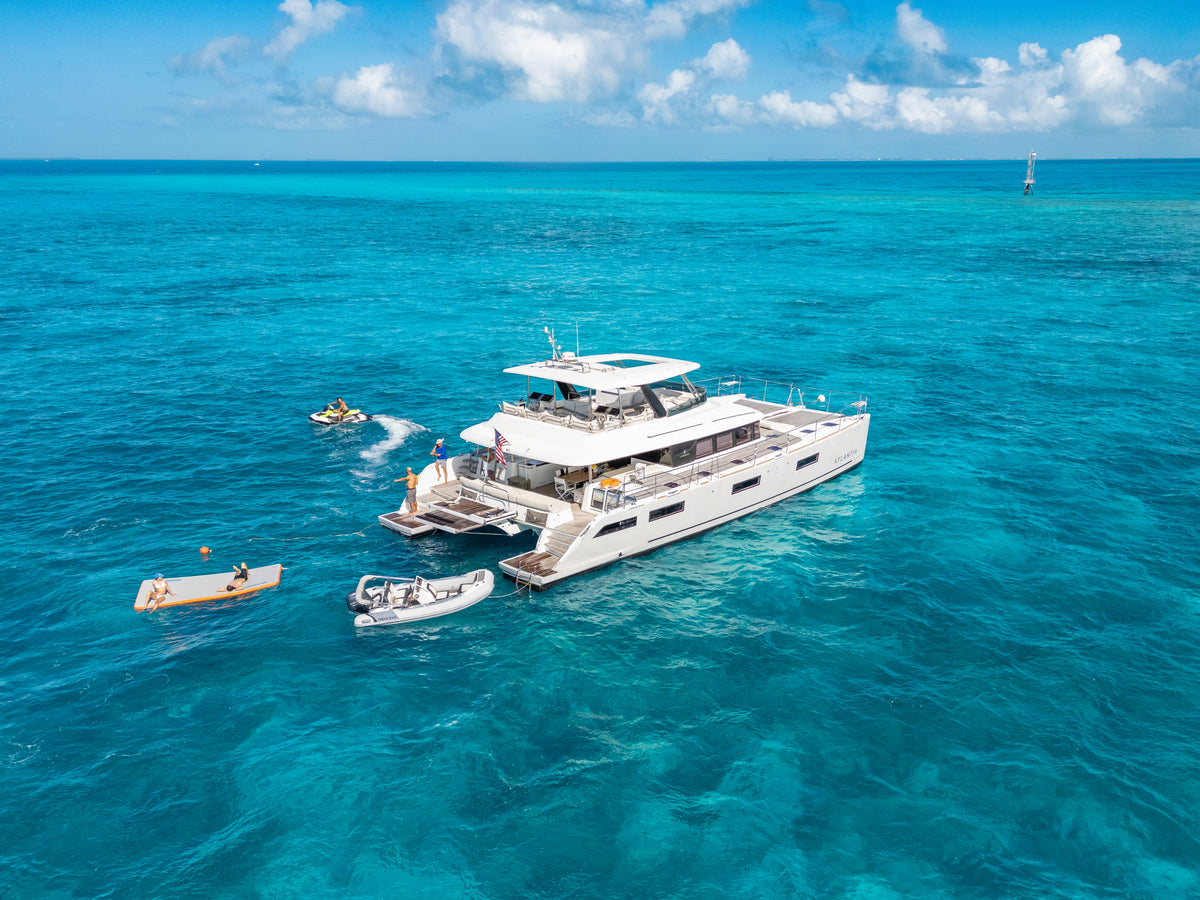
Powerboats, sailing yachts and catamarans do not share the same limits. Catamarans suited to Bahamas passages include the 70ft Sunreef ORCA, which carries up to 13 guests, and the 53ft Leopard Power Cat BRU SEA, which has a draft of just over three feet (ORCA, BRU SEA). Match the vessel's real performance and loading to the route before you commit. Compare which yacht features matter for a Gulf Stream run to judge whether your boat is suited to the crossing.


Watch out: a boat that passed inspection last season is not automatically ready this season, batteries, fuel filters, and safety gear dates all drift, so re-verify rather than assume.
Before any crossing, each vessel, fuel and crew item should be checked as a clear pass or fail.
| Check | Standard | When to act |
|---|---|---|
| Fuel reserve | Covers the run with margin for delays and a diversion | Reserve does not clear your margin: no-go |
| Required safety equipment | Aboard, in date and accessible | Any item missing or out of date: fix before leaving |
| VHF and backup communications | Tested before leaving the dock | Either fails to work: no-go |
| Float plan | Filed with a responsible contact ashore | Not filed: do not depart |
| Crew condition | Rested, roles assigned, no one unwell | Fatigue or illness: reassess or no-go |
| Engines, bilge pumps, steering | Working at the day-before inspection | Any fault: resolve before departure |
Bahamas Customs and Immigration for Yachts: What to Have Ready Before Your Booking Confirms
Paperwork can stop a trip as quickly as bad weather.
Customs and immigration requirements can change, so confirm the current entry process with official government sources before you travel.
Have these items ready:
- Valid passports for every guest
- Vessel registration and documentation
- Crew and guest manifest
Check current entry rules with the official U.S. Customs and Border Protection site (CBP guidance on pleasure vessel entry).
Ready to plan your crossing? Explore our Bahamas yacht charters or get a quote and our team will help you build a go or no-go plan around your dates.
Frequently Asked Questions
What is the best time of year to cross to the Bahamas by yacht?
Most captains favor the late spring and early fall windows, when the trade winds are steadier and the frontal systems that send strong northerlies across the Gulf Stream are less frequent. Summer brings afternoon thunderstorms and tropical activity, while winter fronts can produce short, steep seas. Whatever the season, the go or no-go decision should rest on the marine forecast for the crossing day, not on the calendar alone. Check the forecast for wind speed, wind direction relative to the current, and sea state before committing, and keep a delay day in your plans.
What should I check before deciding to cross the Gulf Stream?
Confirm that the forecast wind speed and direction will not oppose the Gulf Stream current for the length of your crossing, since wind against current builds steep, breaking waves. Review the expected wave height, visibility and any thunderstorm activity along the route. Compare your planned departure time with the forecast window, and make sure your vessel's fuel range and reserve cover the crossing with margin. If any single factor falls outside your vessel's and crew's limits, treat it as a no-go and wait for the next window.
Do I need specific paperwork to bring a yacht into the Bahamas?
Yes. Yachts entering the Bahamas must clear customs and immigration at a designated port of entry, and all passengers need valid passports. Vessel documentation, such as registration papers, should be on board, and you should confirm current entry requirements with the Bahamian authorities and your charter provider before departure, since rules can change. Plan to have your paperwork organized before you reach the dock so clearance does not delay your arrival.












Leave a comment
This site is protected by hCaptcha and the hCaptcha Privacy Policy and Terms of Service apply.