Which Yacht Type Handles Shallow Water Best?
Last Updated: November 1, 2026
Quick Summary
The best yacht type for shallow water cruising is usually a power catamaran, because its low draft lets it reach sandbars and reef stops that deep-keeled boats cannot. Catamarans also offer a stable platform and generous deck space at anchor. Sailing catamarans and monohulls suit specific conditions.
- Draft, the depth of hull below the waterline, decides which anchorages a yacht can reach.
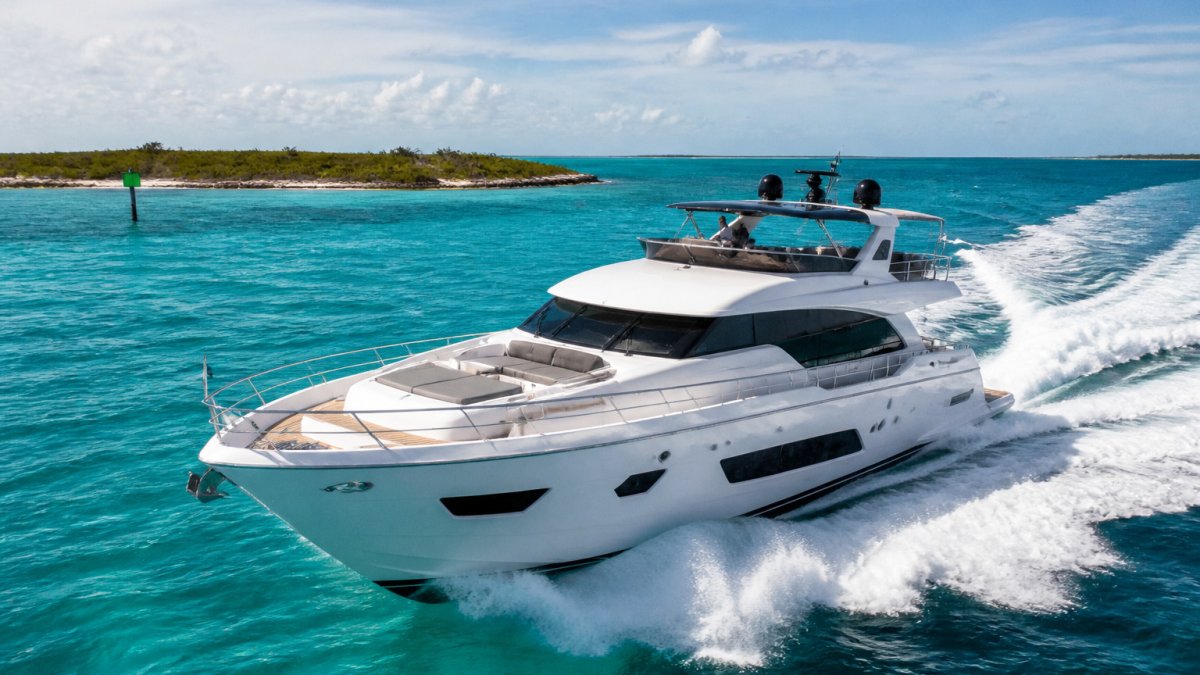
- A 53ft Leopard Power Catamaran BRU SEA has a draft of just over three feet and carries up to 13 guests.
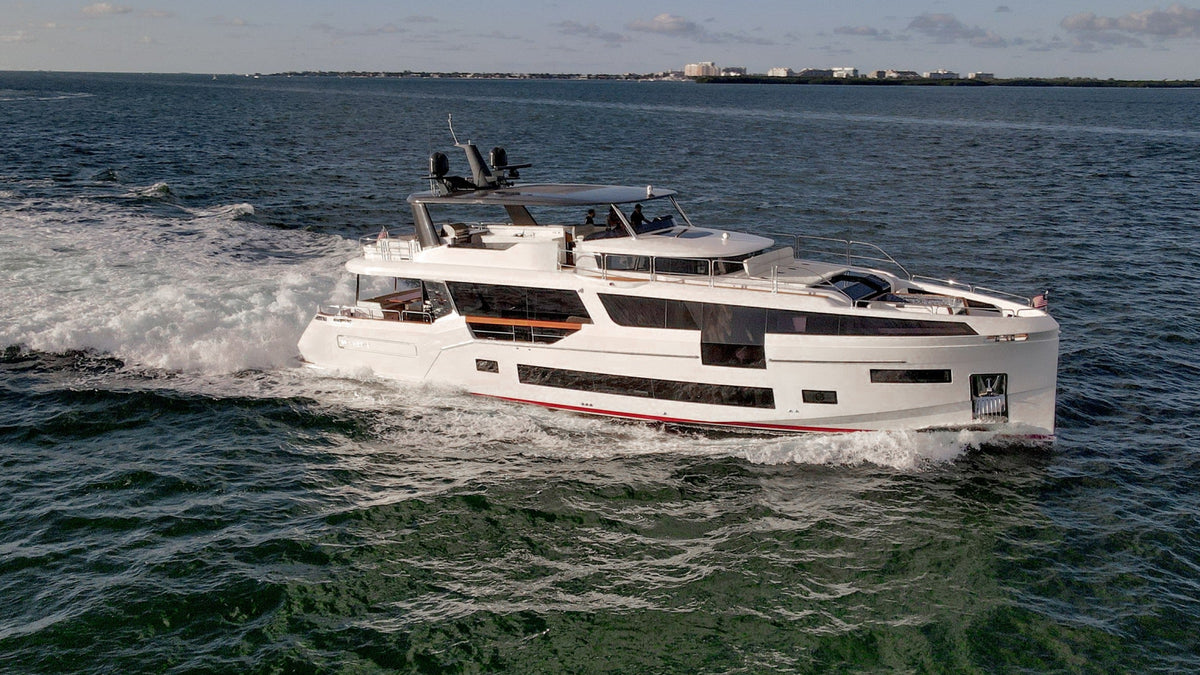
- A 70ft Sunreef Power Catamaran ORCA has a 34-foot beam and suits larger groups.
- Sailing catamarans offer a relaxed pace but depend on wind, which can slow the day.
- Confirm a yacht's draft against your anchorage depths before booking, and check which stops it can reach.
Table of Contents
- Why Draft Decides Where You Can Actually Go
- Catamarans Versus Monohulls in Shallow Water
- Power Catamarans for Sandbars and Reef Stops
- Sailing Catamarans for Light-Air Shallow Cruising
- Matching a Shallow-Draft Yacht to Your Itinerary
- Checking Draft and Anchorage Before You Book Your Charter
- Frequently Asked Questions
Why Draft Decides Where You Can Actually Go
Choosing the wrong yacht for shallow water cruising can cost you the best anchorages in the Bahamas. Draft, the depth of hull below the waterline, is a key number that shapes whether a boat can reach a sandbar. At YCN Yachts, we start every shallow-water itinerary by asking one question: how far in do you want to go?
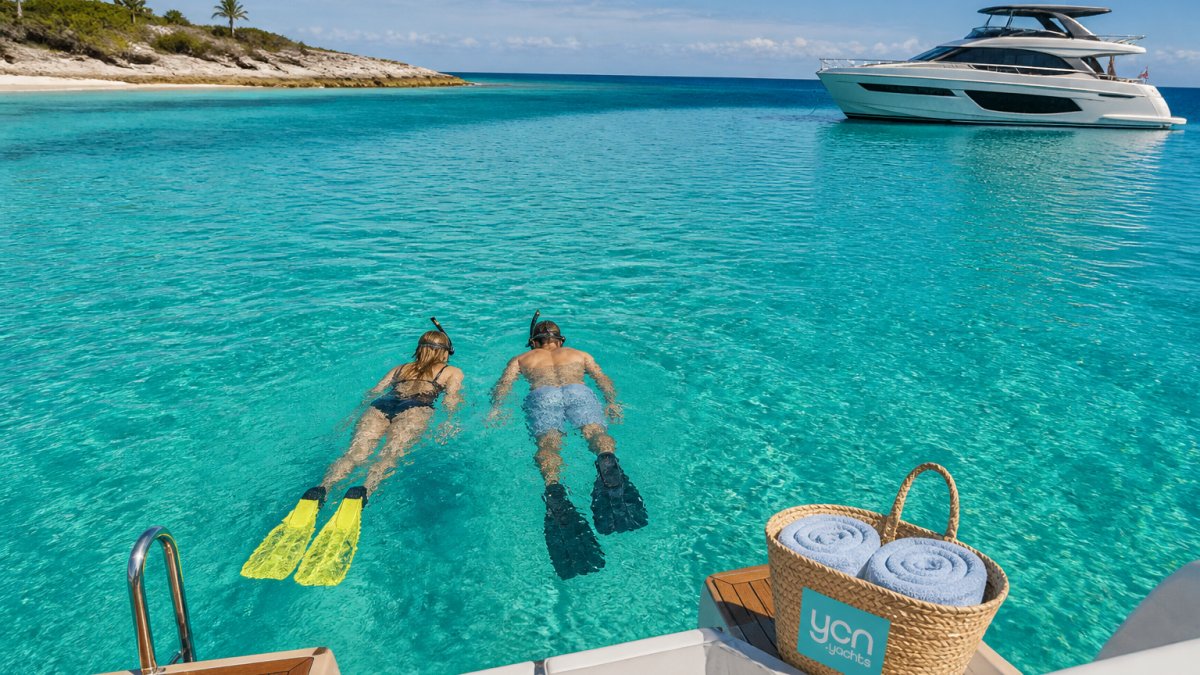
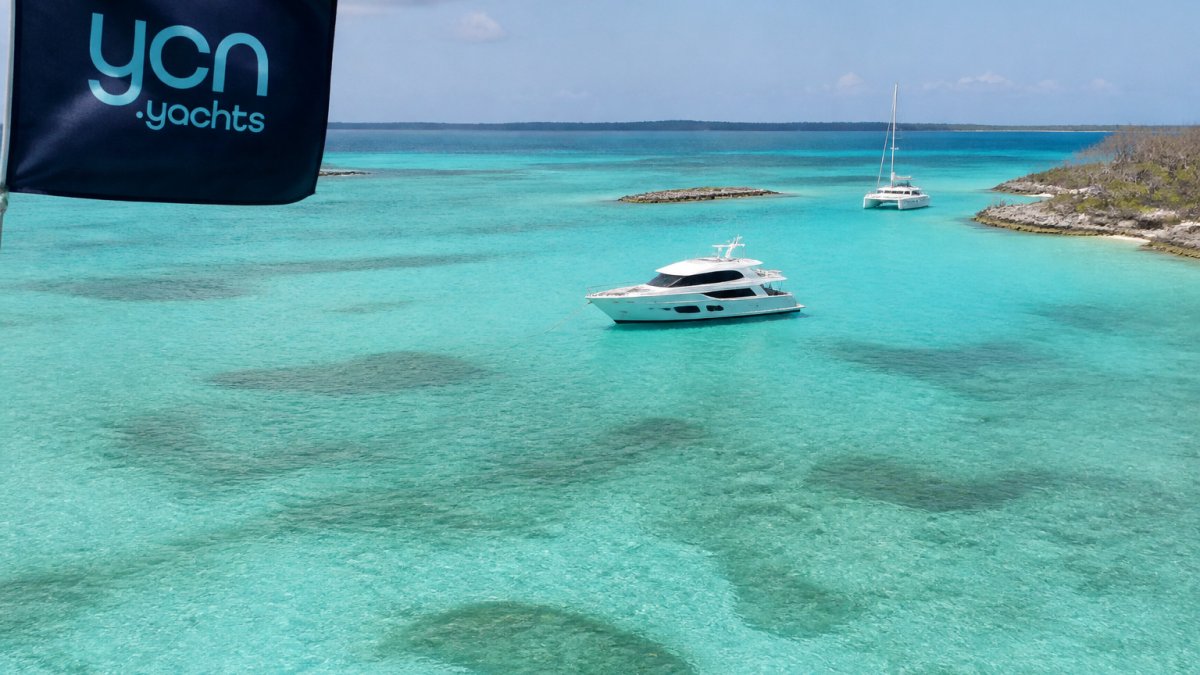
A boat with a deep keel can see the turquoise flats and still never reach them. A shallow-draft yacht can anchor beside the sandbar, let guests wade ashore, and leave in the afternoon without worrying about the tide. That difference shapes the whole charter, from snorkel stops to sunset anchorages.
Draft is not the only factor, but it sets the boundary for everything else. Once you know the depths your itinerary requires, the choice between yacht types becomes much clearer.
Catamarans Versus Monohulls in Shallow Water
Catamarans and monohulls handle shallow water in very different ways. For most Bahamas itineraries, the catamaran's combination of low draft and wide beam gives it a clear advantage. Monohulls still earn their place in certain conditions, which we cover below.
Stability and Deck Space at Anchor
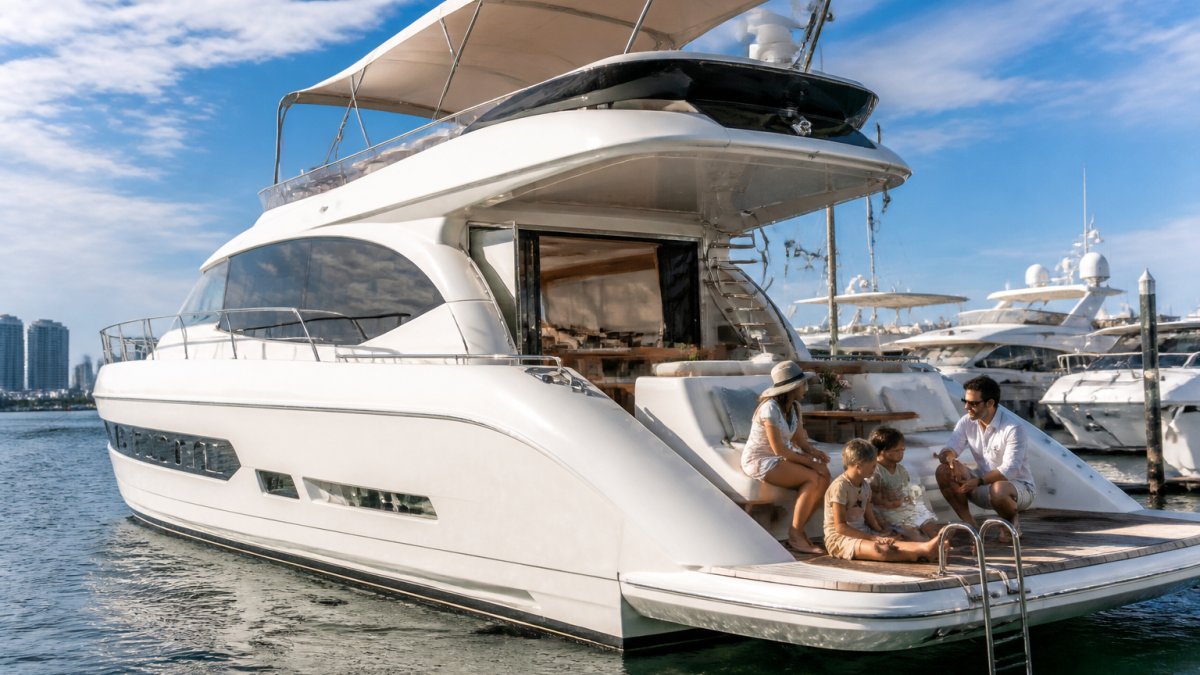
A key reason many guests prefer catamarans for shallow-water days is stability. Two hulls spread the boat's weight across a wide platform, so guests move around comfortably at anchor and food stays on the table. A catamaran also offers far more usable deck space than a monohull of the same length.
For families and groups who plan to spend long afternoons on a sandbar, this matters.
Where Monohulls Still Make Sense
Monohulls can suit sailors who want the traditional motion and handling of a single keel, and some operators prefer them for overnight passages in rougher seas. A monohull with a shallow keel can also work in certain protected anchorages. That said, for guests who want shallow reach and a stable, social platform, catamarans are the more practical choice.
Power Catamarans for Sandbars and Reef Stops
Power catamarans are the most popular choice for Bahamas day charters, and for good reason. They combine shallow draft, fast cruising speed, and a large open deck. A power cat can reach a reef stop, anchor in minutes, and move on to a second destination before lunch.
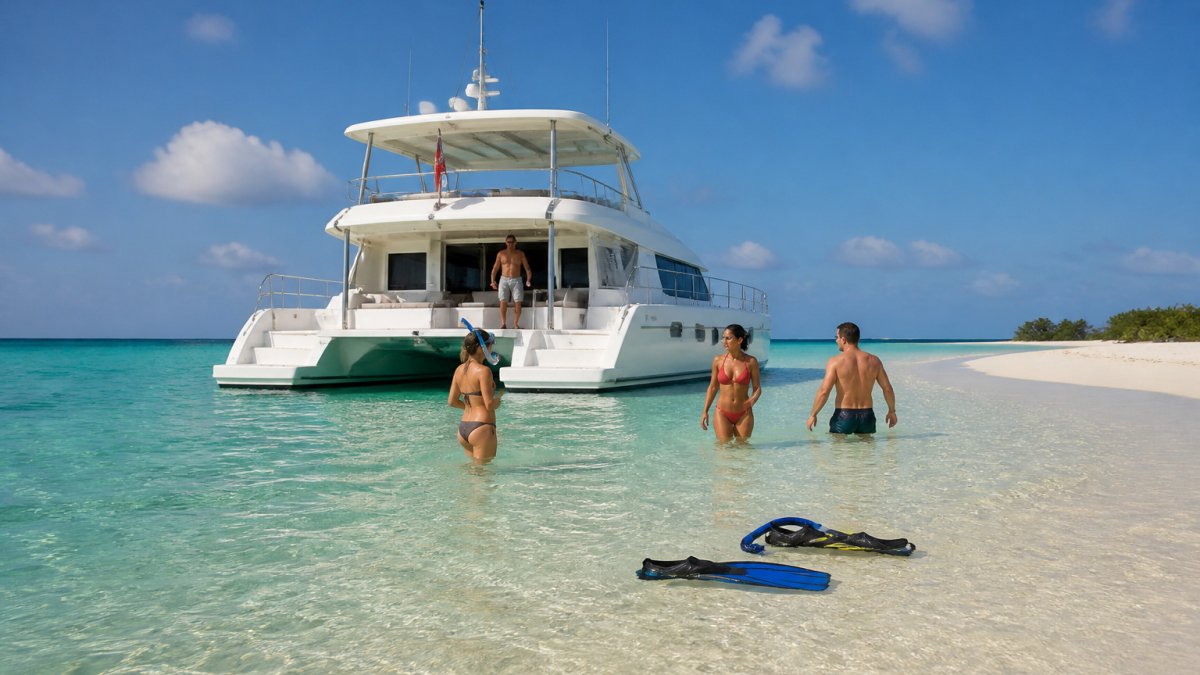
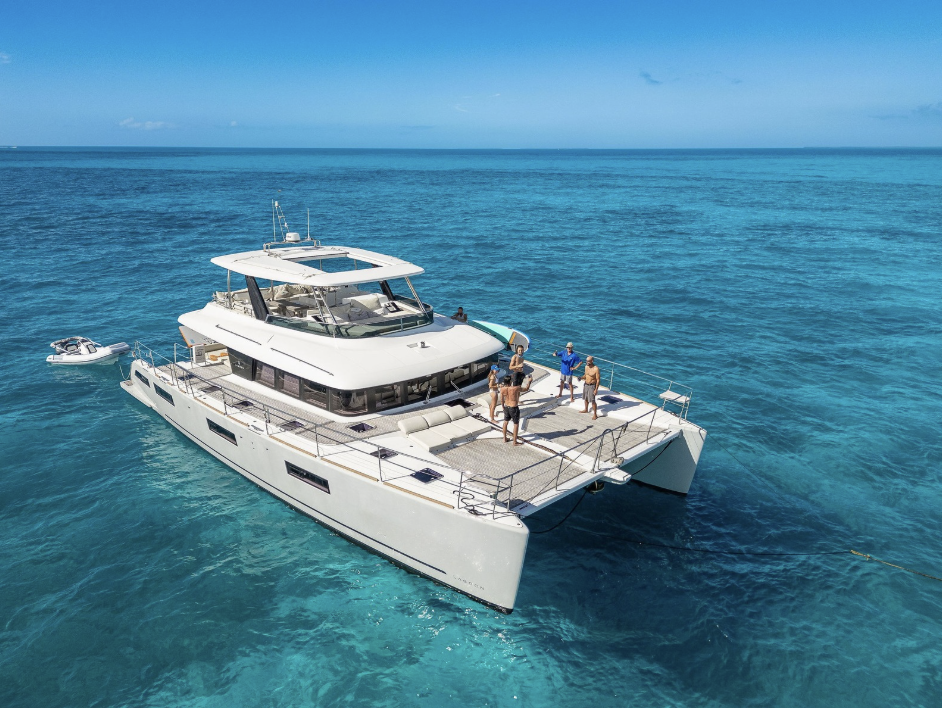
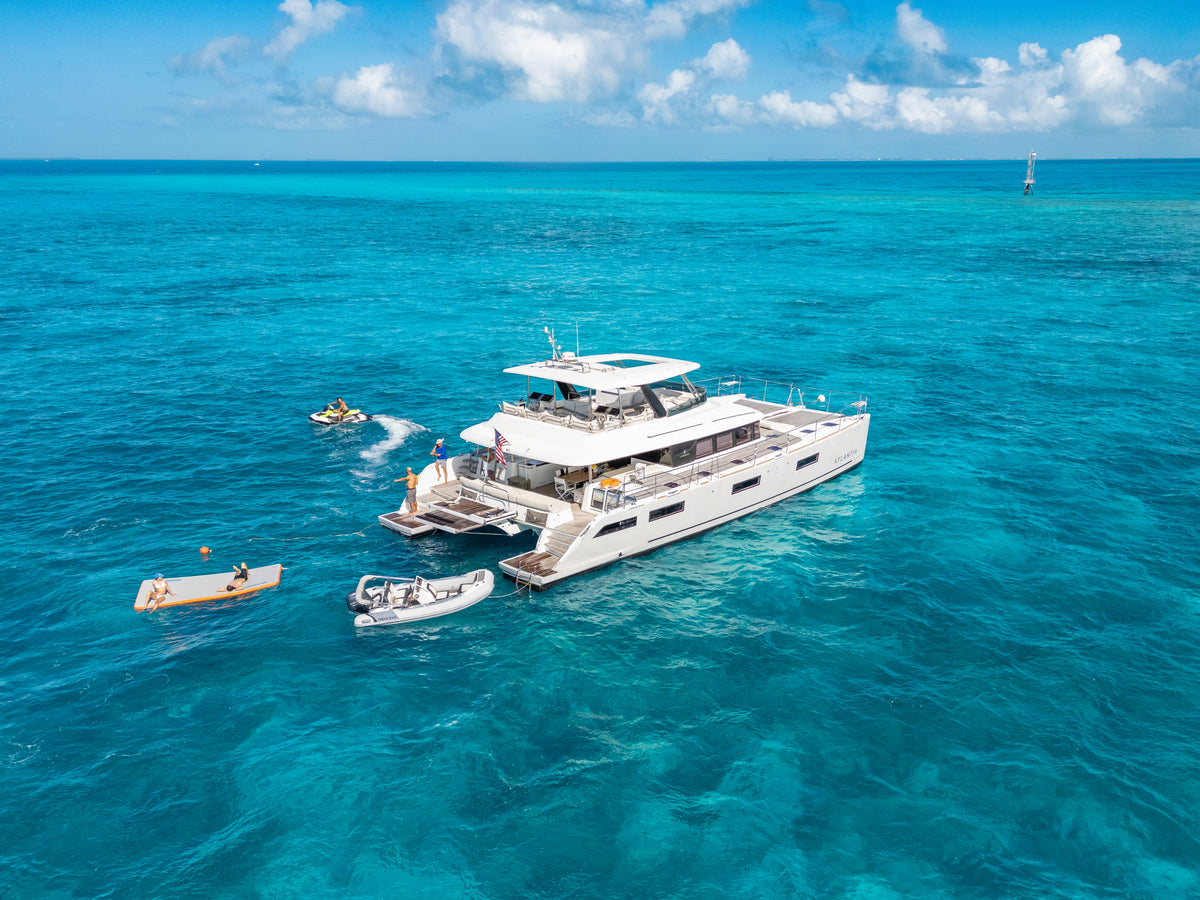
Our current Bahamas power catamarans show how much variety the category offers. BRU SEA is a 53ft Leopard Power Catamaran based in Nassau, with a draft of just over three feet, and she carries up to 13 guests with a captain and chef aboard. BRU SEA departs from Hurricane Hole Marina.

For groups wanting more space, ORCA is a 70ft Sunreef Power Catamaran with a 34-foot beam. She carries up to 13 guests, which suits birthdays and larger groups. ORCA departs from Turnberry Marina in Aventura.

Best for: Day charters, families, and snorkeling stops. Skip if: You want the fastest possible passage between distant islands.
Sailing Catamarans for Light-Air Shallow Cruising
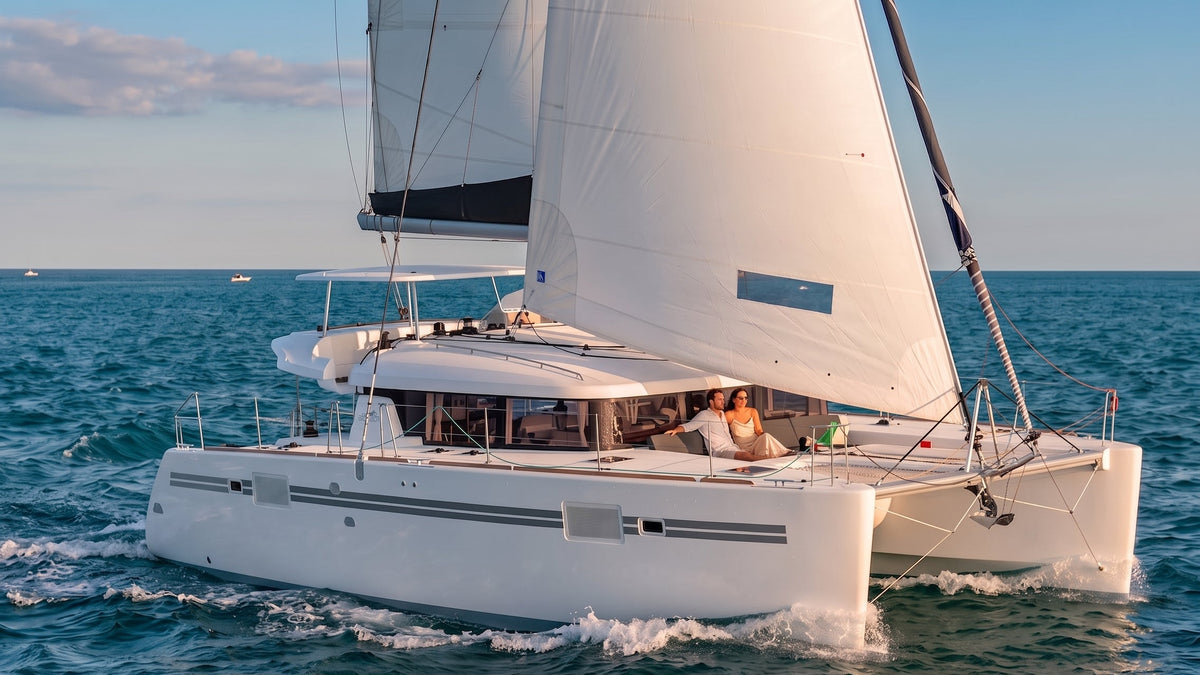
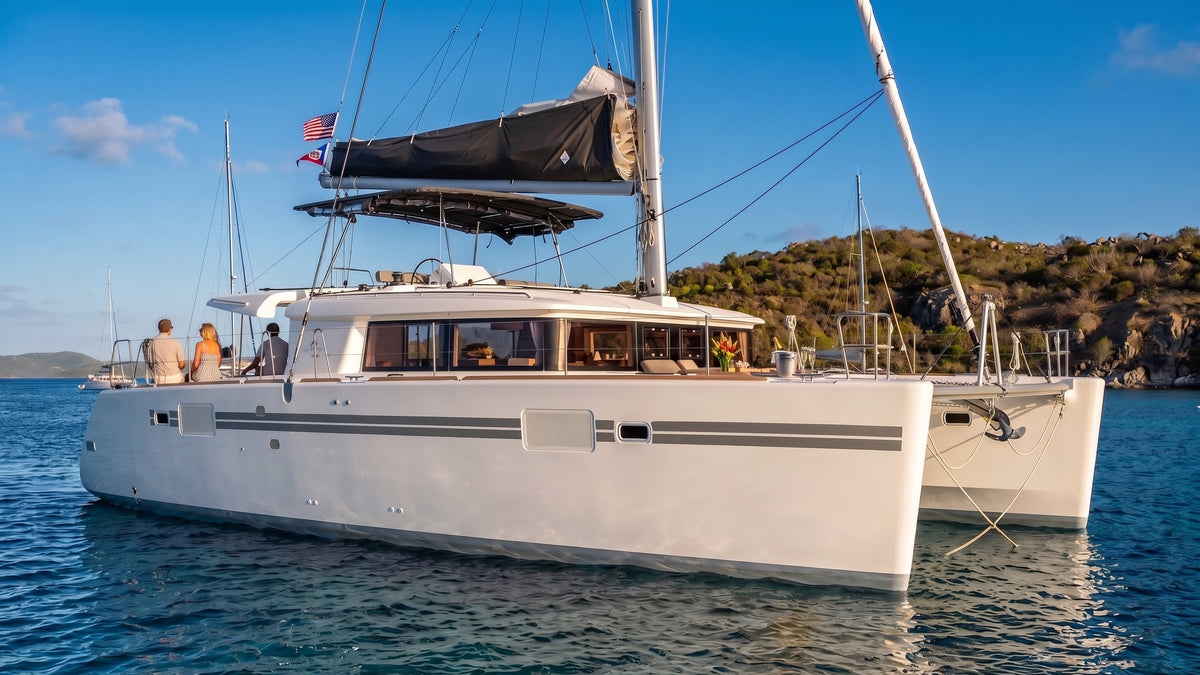
Sailing catamarans suit guests who want to feel the wind and move at a relaxed pace. The trade-off is speed and dependence on conditions. In light air, a sailing cat slows down, and the day stretches longer than planned.
For Florida Keys itineraries, SOMEWHERE is a 45ft Lagoon 450F sailing catamaran. Her wide cockpit suits lunch between stops. Twin Yanmar diesels handle maneuvering in and out of the marina. SOMEWHERE suits relaxed sailing days and snorkeling trips around Key West and the Lower Keys.

Best for: Relaxed sailing excursions and couples' getaways. Skip if: Your schedule depends on reaching a specific stop by a set time.
Matching a Shallow-Draft Yacht to Your Itinerary
The right yacht depends on where you want to go and how many people are aboard. Use this summary to narrow your options:
| Yacht type | Typical shallow reach | Best for | Trade-off |
|---|---|---|---|
| Power catamaran (53ft) | Sandbars and reef stops | Bahamas day charters, families | Fuel use at speed |
| Power catamaran (70ft) | Flats and sandbars, large deck | Groups of up to 13 guests | Higher charter cost |
| Sailing catamaran (45ft) | Anchorages in the Lower Keys | Relaxed sailing and snorkeling | Dependent on wind |
| Monohull | Protected shallow anchorages | Traditional sailing | Less stable at anchor |
Start with your must-visit stops. If a sandbar or reef is central to the day, prioritize a yacht with a confirmed shallow draft. If the trip is about passage time and open-water crossings, weigh speed and range more heavily. Our charter specialists can match a yacht to your specific route, and for itineraries spanning several destinations, our Worldwide Luxury Yacht Charters team can help coordinate options beyond the Bahamas and Florida.
Checking Draft and Anchorage Before You Book Your Charter
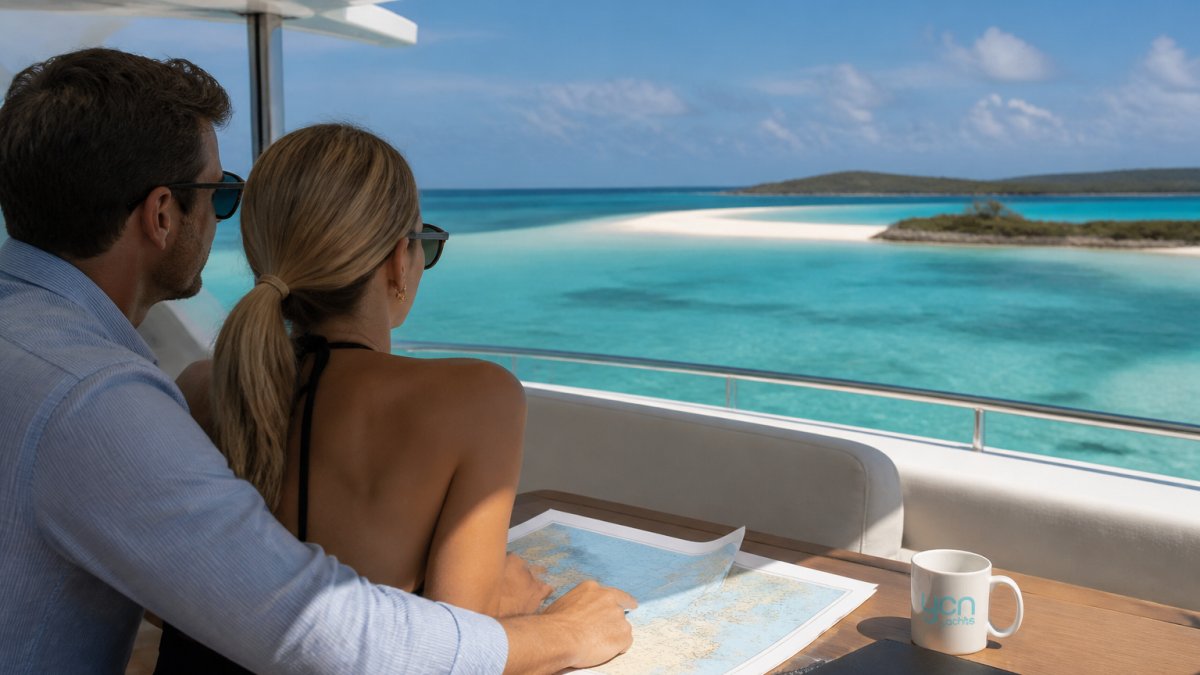
Before you book, confirm the draft of the yacht you are considering and compare it with the depths of the anchorages on your list. Ask your broker which stops the yacht can reach at your planned departure time, since tides can change the available water.
Guest count matters too. A 70ft catamaran can carry up to 13 guests, while a 53ft power cat suits smaller groups who want a more intimate day. Choosing the right size keeps the deck comfortable and the day relaxed.
If you are unsure which yacht suits your route, speak with a YCN Yachts charter specialist and get a quote tailored to your Bahamas or Florida itinerary.
Frequently Asked Questions
What type of yacht is best for shallow water?
For shallow water, a power catamaran usually performs best. Its twin hulls allow a shallow draft for a boat of its size. The shallow draft lets the boat tuck into sandbars and flats that deeper vessels must anchor well outside of.
What is a good draft for cruising shallow waters?
A draft of about four to five feet is a practical target for cruising the Bahamas and Florida Keys, where sandbars and reef-edged anchorages often sit in four to eight feet of water. Shallower is better if you plan to visit flats and small cays. Check the listed draft for each yacht before booking, since the figure changes with fuel, tanks and load.
Are catamarans better than monohulls in shallow water?
Catamarans offer a shallow draft for their size and a wide beam that helps keep the boat stable at anchor. Monohulls can still be useful for sailing purists or for rougher open-water passages, but for sandbar days and reef stops, a shallow-draft catamaran is the more flexible choice.
Are power catamarans suitable for shallow-water cruising?
Power catamarans suit shallow-water cruising well. Their shallow draft and open deck space make them a practical choice for many day charters.














Laisser un commentaire
Ce site est protégé par hCaptcha, et la Politique de confidentialité et les Conditions de service de hCaptcha s’appliquent.