How to Plan Yacht Fuel Reserve for Open Water Crossings
Last Updated: November 4, 2026
Quick Summary
A yacht fuel reserve is the extra fuel you carry beyond what your planned route requires, held for headwinds, currents, weather changes or unplanned detours. Calculate usable fuel, burn rate and cruising speed to find your range, then raise the reserve when conditions are against you.
- Open water has no fuel docks, so a reserve covers any gap between departure and arrival.
- Range equals usable fuel times speed, divided by fuel burn per hour.
- Use the vessel's usable capacity, not the tank's rated maximum.
- Raise the reserve for headwinds, long crossings, full loads or adverse currents.
- Plan the return leg's fuel as carefully as the outbound one.
Table of Contents
- Why Fuel Reserve Matters More on Open Water
- How to Calculate Yacht Fuel Range Before You Leave
- Setting a Yacht Fuel Reserve Percentage for Your Crossing
- Miami to Bimini Yacht Fuel Planning in Practice
- Booking Your Crossing With YCN Yachts
- Frequently Asked Questions
Planning a crossing to the Bahamas? A yacht fuel reserve is the margin between a relaxed passage and an unwelcome call for assistance. Open water offers no fuel stations, and conditions can shift in the middle of a run. This guide from YCN Yachts walks through how to calculate range, set a reserve percentage, and plan a Miami to Bimini passage with confidence.
Why Fuel Reserve Matters More on Open Water
On protected inland water, a short detour or a slow return costs little. Open water is different. A yacht fuel reserve is the extra fuel you carry beyond what the planned route requires, held in case of headwinds, currents, weather changes or unplanned course corrections.
Consider the practical realities:
- There are no fuel docks between departure and arrival on many crossings.
- Sea state can increase fuel burn well beyond your estimate.
- Engine trouble or a needed detour adds miles you did not plan for.
How to Calculate Yacht Fuel Range Before You Leave
Fuel range is the distance your vessel can cover on the fuel you carry at a given speed. To estimate it, you need three figures: usable fuel capacity, fuel burn rate at cruising speed, and cruising speed.
Start with the formula:
Range (nautical miles) = Usable fuel (gallons) × Speed (knots) ÷ Fuel burn (gallons per hour)
Work through it step by step:
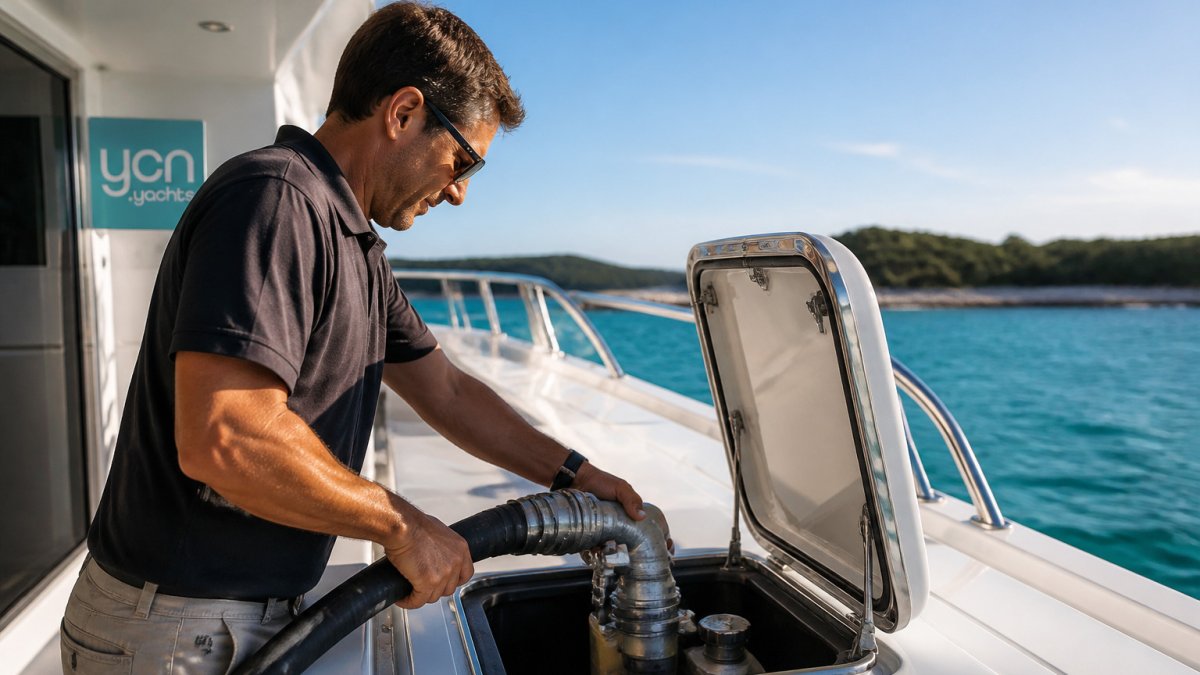
- Confirm usable capacity. Use the figure your captain or the vessel's documentation provides, not the tank's rated maximum.
- Find the burn rate at your cruise speed. Burn rises sharply at higher speeds, so check the engine manufacturer's performance data.
- Calculate range at your planned speed. Divide the result to see nautical miles achievable.
- Compare range against route length. If the crossing requires most of your range, the margin is too thin.
Fuel consumption by yacht size varies widely. Larger motor yachts burn considerably more fuel per hour than smaller vessels, so always base calculations on the specific vessel rather than general figures.
Setting a Yacht Fuel Reserve Percentage for Your Crossing
The right reserve depends on the route, the weather window and the vessel. Treat any percentage as a starting point rather than a rule.
Raise the reserve when:
- The forecast shows wind or seas against your heading.
- The crossing is long relative to your range.
- You are carrying a full group and extra weight.
- Currents may slow progress.
The right reserve depends on the route, the weather window and the vessel, and the article lists the conditions that call for a larger margin.
| Condition | Reserve guidance | Why it matters |
|---|---|---|
| Forecast wind or seas against heading | Raise the reserve | Headwinds and waves increase fuel burn |
| Crossing long relative to range | Raise the reserve | A thin margin leaves no room for error |
| Full group and extra weight | Raise the reserve | Added load increases consumption |
| Adverse currents | Raise the reserve | Currents slow progress and extend the run |
Miami to Bimini Yacht Fuel Planning in Practice
The Miami to Bimini run is a popular day trip, but it still crosses open water. Plan the fuel before you cast off.
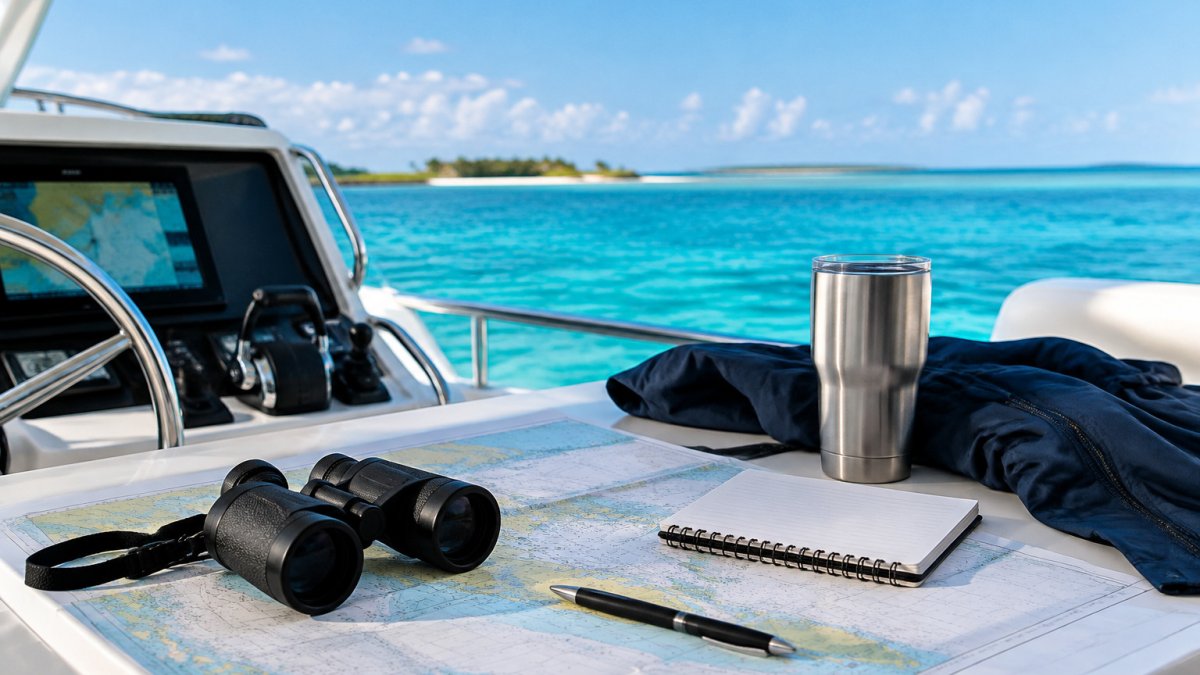
Use this checklist when preparing the passage:
- Confirm usable fuel on board at departure.
- Calculate range at your planned cruise speed.
- Add a reserve appropriate to current conditions.
- Check the marine forecast for wind and sea state.
- Plan the return leg as carefully as the outbound one.
Remember that the return trip uses fuel too, and wind direction often changes over the day. Review the Miami to Bimini yacht charter route to see how the crossing and its return fit together. Build the return into your calculations from the start.
Watch out: Many guests assume a short crossing needs little fuel margin. A few adverse knots of current can erase a comfortable reserve, so plan as though the sea will be less kind than the forecast suggests.
Booking Your Crossing With YCN Yachts
A YCN Yachts charter specialist can help match a vessel to your route, guest count and timing. Compare day-trip yacht rental options for the Miami to Bimini run to see which vessels fit this passage. Browse a Miami Yacht Charters option to see how the route works in practice, or review our Bahamas Yacht Charters to compare vessels that fit your plans.
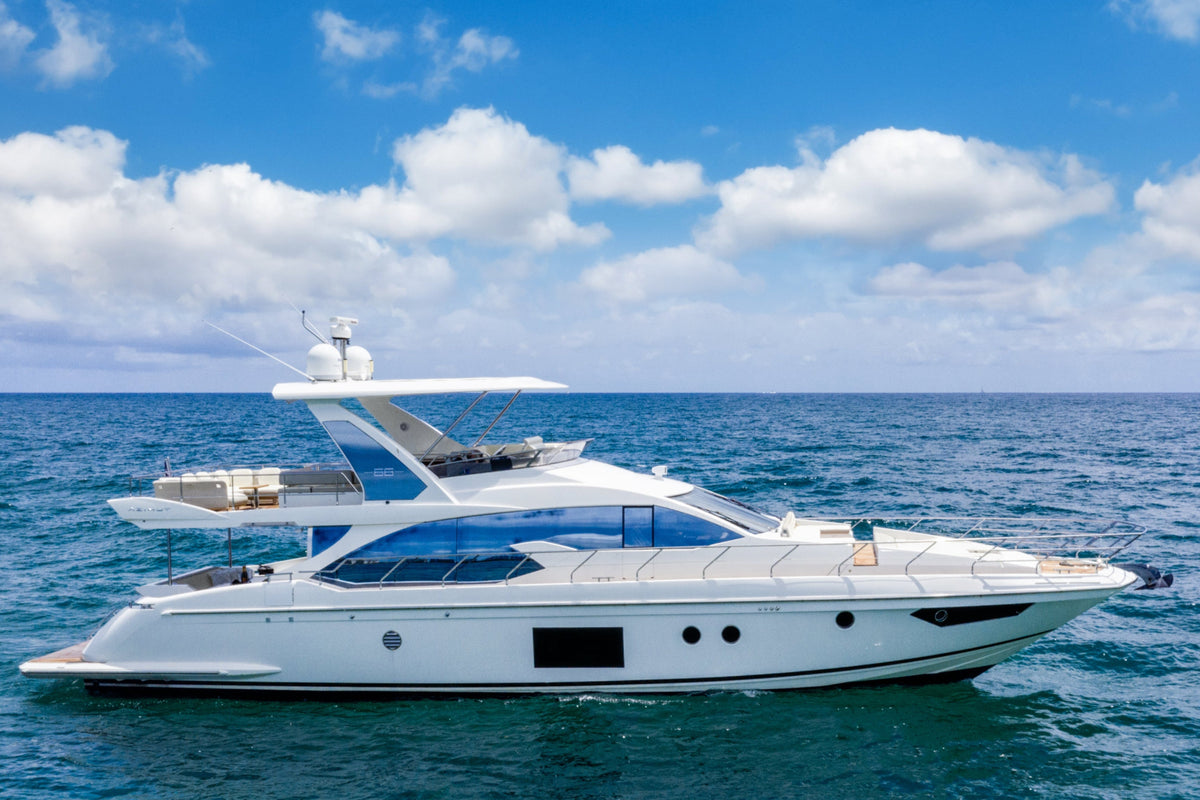
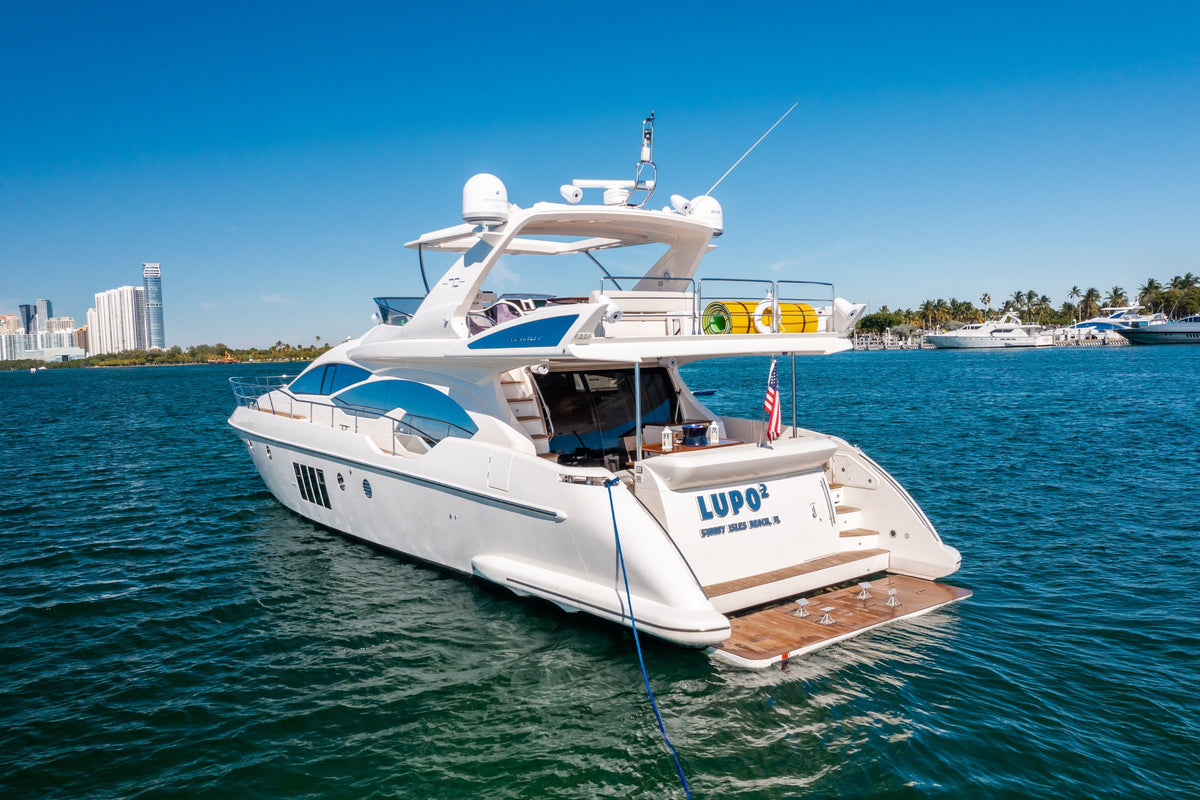
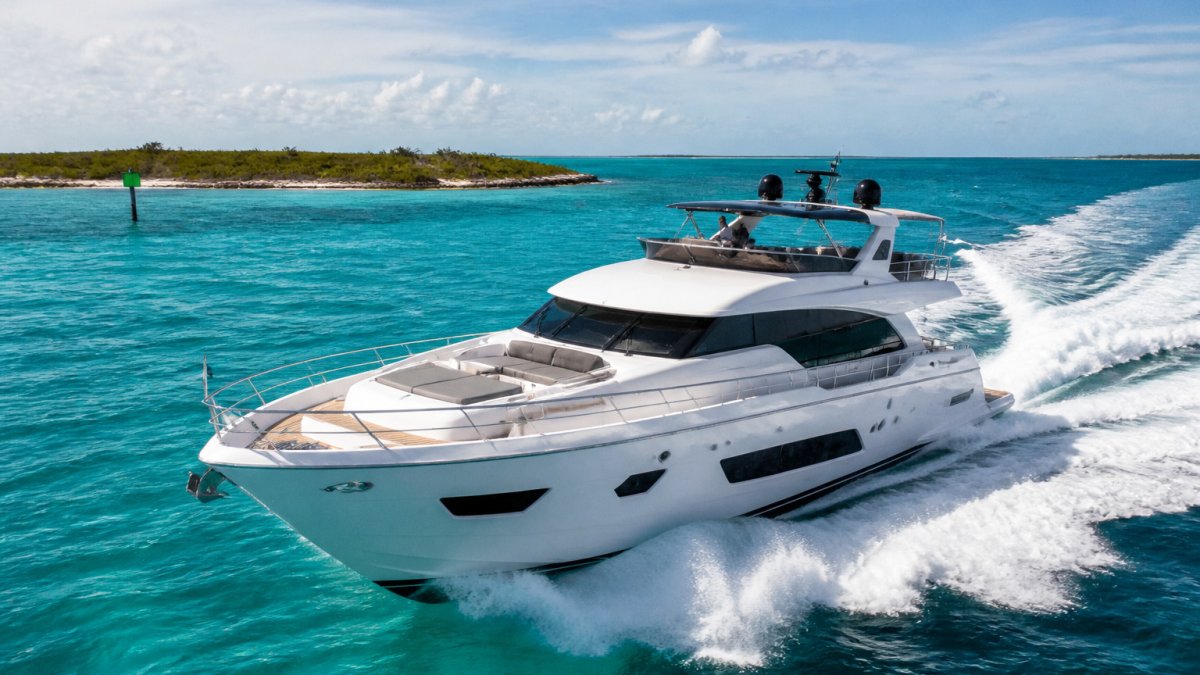
Our term charter price calculator gives you a sense of budget before you contact us. When you are ready, explore our fleet, including the Azimut S7 72-foot flybridge yacht, available from Miami. To learn what sets our service apart, see why YCN Miami is the choice for many charter clients.
Speak with our team to build a fuel plan and itinerary around your crossing, through our Private Yacht Charter Quotes.
Frequently Asked Questions
How much fuel reserve should a yacht carry for an open-water crossing?
Most planners build in a reserve on top of the fuel needed for the planned run, so the boat can handle headwinds, a detour, or slower cruising speeds. A common planning approach is to carry enough fuel to cover the full round-trip distance plus a conservative margin, and to treat that margin as non-negotiable. Pricing for fuel varies with market conditions and vessel size, so confirm current figures with your captain or YCN Yachts when you request a quote.
What is the 10% rule for yacht fuel reserves?
The 10% rule is a rough planning guideline: keep at least 10% of total usable fuel in reserve after completing the planned passage. It is a starting point rather than a guarantee. Sea conditions, current, and engine load can push real consumption well above estimates, so many captains adjust the margin upward for longer open-water legs and bluewater conditions.
How do wind, waves, and current affect yacht fuel consumption?
Headwinds, beam seas, and adverse current all increase engine load, which raises fuel burn and reduces range. A following sea or favorable current can do the reverse. Because these conditions change during a crossing, a fuel plan should assume less favorable conditions than the forecast suggests and leave room for a slower return or a diversion to a nearer port.













Laisser un commentaire
Ce site est protégé par hCaptcha, et la Politique de confidentialité et les Conditions de service de hCaptcha s’appliquent.