
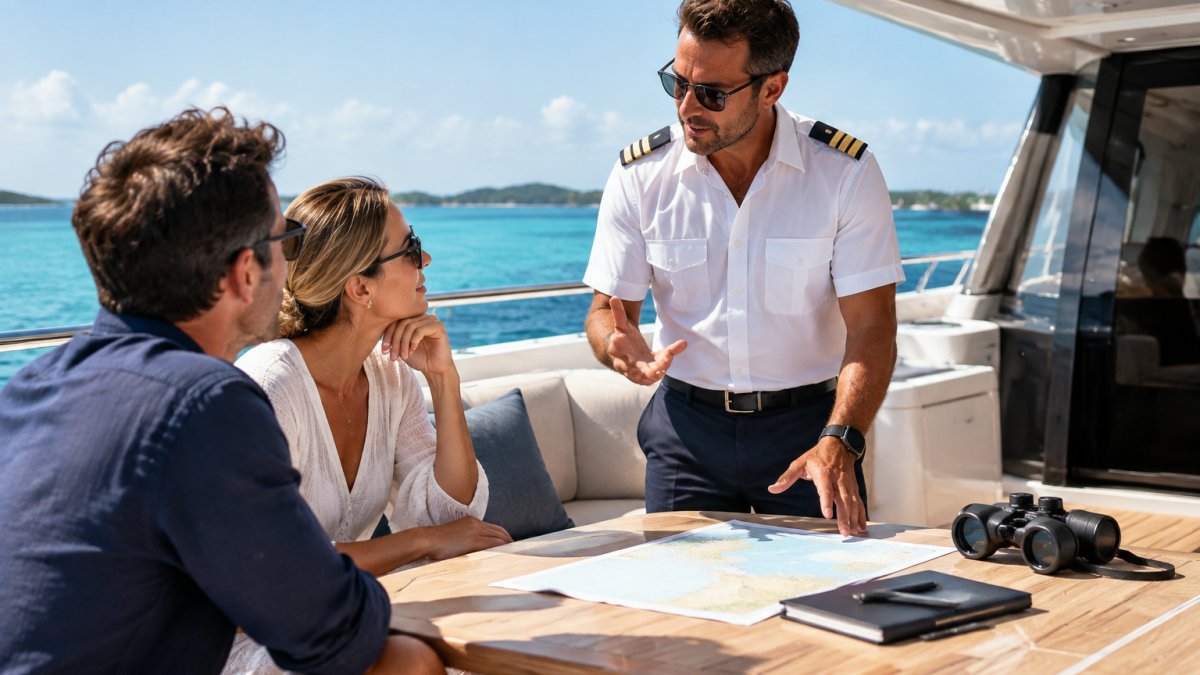
What to Ask a Yacht Charter Captain: Pre-Booking Guide
Last Updated: November 13, 2026
Quick Summary
Ask a yacht charter captain to show their credentials before booking: license type and issuing authority, current STCW Basic Safety Training, and a seafarer medical certificate. Confirm the endorsement matches the vessel's tonnage and your guest count, and that the yacht's insurance covers charter use with this crew.
- On U.S.-flagged vessels, the captain's license is issued by the U.S. Coast Guard.
- An OUPV or six-pack license covers uninspected vessels carrying up to six passengers.
- STCW Basic Safety Training covers personal survival, firefighting, elementary first aid, and social responsibility.
- Ask the captain to confirm the endorsement matches the vessel's tonnage and your guest count.
- A common mistake is booking without speaking to the captain directly.
Table of Contents
- Yacht Charter Captain Qualifications: What to Verify First
- Yacht Charter Safety Checklist: Questions That Protect Your Group
- Yacht Charter Itinerary Questions: Routing, Weather, and Timing
- Yacht Charter Guest Preferences Checklist: Briefing the Crew
- Frequently Asked Questions
Yacht Charter Captain Qualifications: What to Verify First
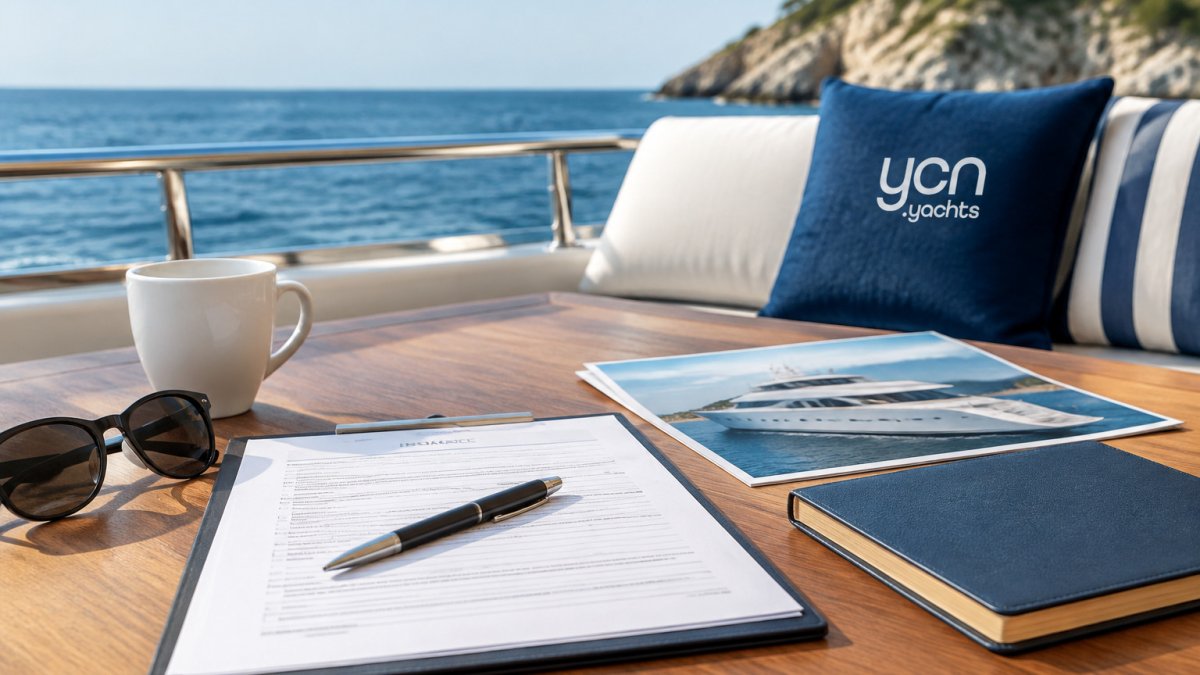
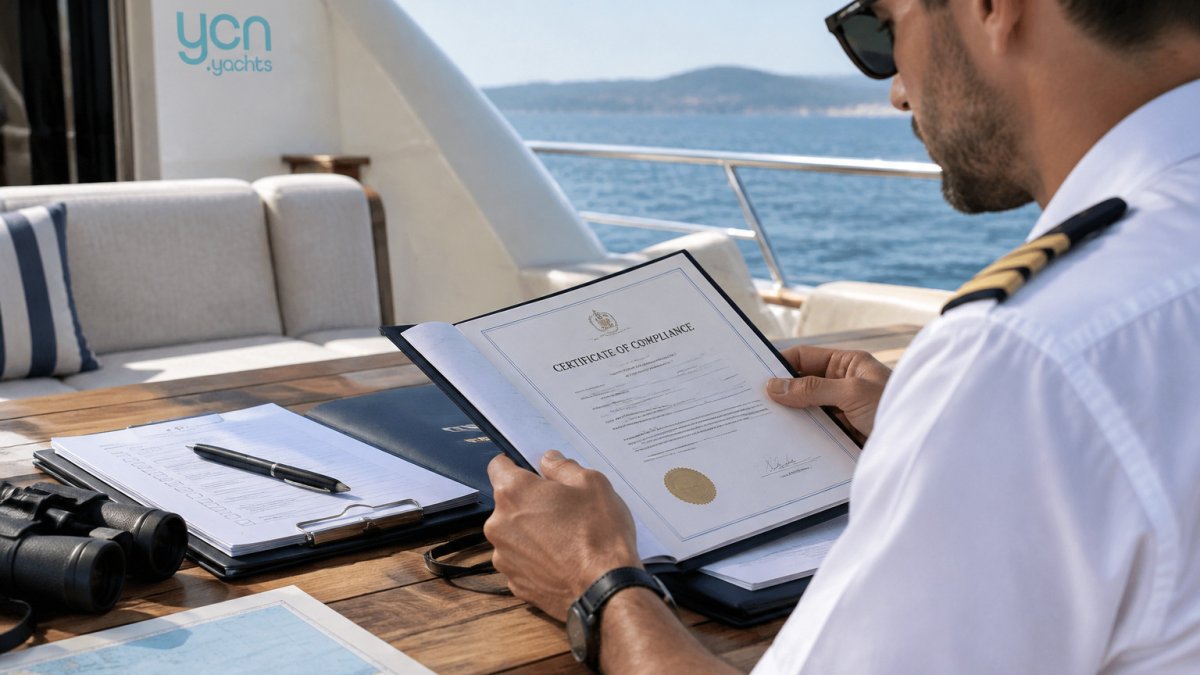
The most important question to ask a yacht charter captain before booking: what are your credentials, and can I see them? Ask about license type, safety training, and medical certification before you commit. Confirm the documents match the vessel and the waters you plan to cruise.
On U.S.-flagged vessels, the captain's license is issued by the U.S. Coast Guard. An Operator of Uninspected Passenger Vessels (OUPV, or six-pack) license covers small uninspected vessels carrying up to six passengers, while a Master license covers larger vessels and higher passenger counts. On foreign-flagged yachts, the captain may instead hold a certificate of competency issued under the vessel's flag state, and the yacht's commercial registration and insurance define what the crew is permitted to do.
Safety training is separate from licensing. The international benchmark is STCW Basic Safety Training, covering personal survival techniques, fire prevention and firefighting, elementary first aid, and personal safety and social responsibility. Ask whether the crew holds current STCW certification and a seafarer medical certificate.
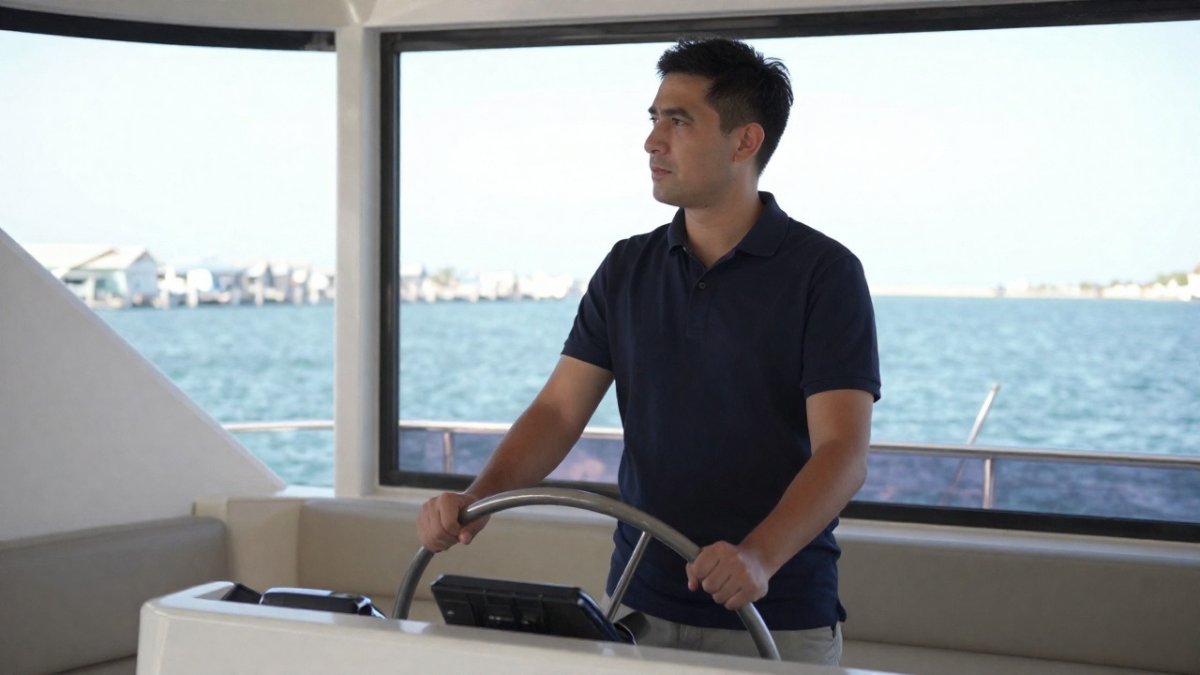
Use this checklist when you speak with the captain or the charter broker:
- License type and issuing authority (U.S. Coast Guard Merchant Mariner Credential, or flag-state certificate of competency)
- Specific endorsement and its passenger/vessel limits
- Current STCW Basic Safety Training certificate
- Current seafarer medical certificate
- Documented sea time and years on this specific yacht
- Experience on your planned route, Biscayne Bay and the Florida Keys, the Gulf Stream crossing to Bimini, or a Mediterranean itinerary
- Confirmation that the vessel's insurance covers charter use with this crew
Verification is where most guests stop too early. Ask the captain to walk you through the credential and confirm the endorsement matches the vessel's tonnage and your guest count. For a Bahamas crossing, ask whether the captain has made the Gulf Stream passage and how customs and immigration clearance is handled at Bimini or Nassau.
A common mistake is booking without speaking to the captain directly. YCN Yachts connects you with the crew before you commit, so you can ask these questions yourself. To go deeper, read our guide on access to experienced captains and crew.
Yacht Charter Safety Checklist: Questions That Protect Your Group
A yacht charter safety checklist is a short set of questions confirming the vessel and crew are ready for your group. Ask about emergency procedures, life-saving equipment, and the safety briefing you will receive on board.
On a crewed charter, the captain holds overall responsibility for the vessel and everyone aboard. Ask how the crew is organized and who leads the safety briefing and accounts for guests in an emergency.
Ask these questions before you book:
- Where are the life jackets stored, and are there child-sized jackets for younger guests?
- Who holds current first-aid and CPR training, and is there an AED aboard?
- What is the emergency contact protocol, and how does the crew reach the U.S. Coast Guard or local authorities?
- Is the vessel insured for charter use, and does the coverage extend to your planned cruising area?
- What is the crew-to-guest ratio, and how does it change for an overnight charter versus a day charter?
- How are guests with mobility needs, medical conditions, or young children accommodated during an emergency?
Crew size matters. Ask how many crew will be aboard for your group size and trip length, and whether that number changes for an overnight or multi-day charter.
Guests who skip the pre-departure briefing often miss the location of safety gear. Ask the captain to walk your group through it before you leave the dock, and confirm the briefing covers fire, man-overboard, and medical response.
For a Miami day charter, ask how the crew coordinates with local emergency services in Biscayne Bay. For a Bahamas crossing, ask about the go/no-go criteria for the Gulf Stream and how the crew handles a medical situation at anchor. You can request a quote with your destination and group details to start the conversation.
Yacht Charter Itinerary Questions: Routing, Weather, and Timing
Itinerary questions reveal whether the captain plans realistically. Ask how weather, distance, and timing shape the day. A confident captain will explain alternate routes without hesitation.
For a Miami day charter, ask about Biscayne Bay and the sandbars. For a Bahamas crossing, ask about the go/no-go criteria. Our guide to Bahamas crossing go or no-go checks covers what captains weigh before departure.
Yacht Charter Guest Preferences Checklist: Briefing the Crew
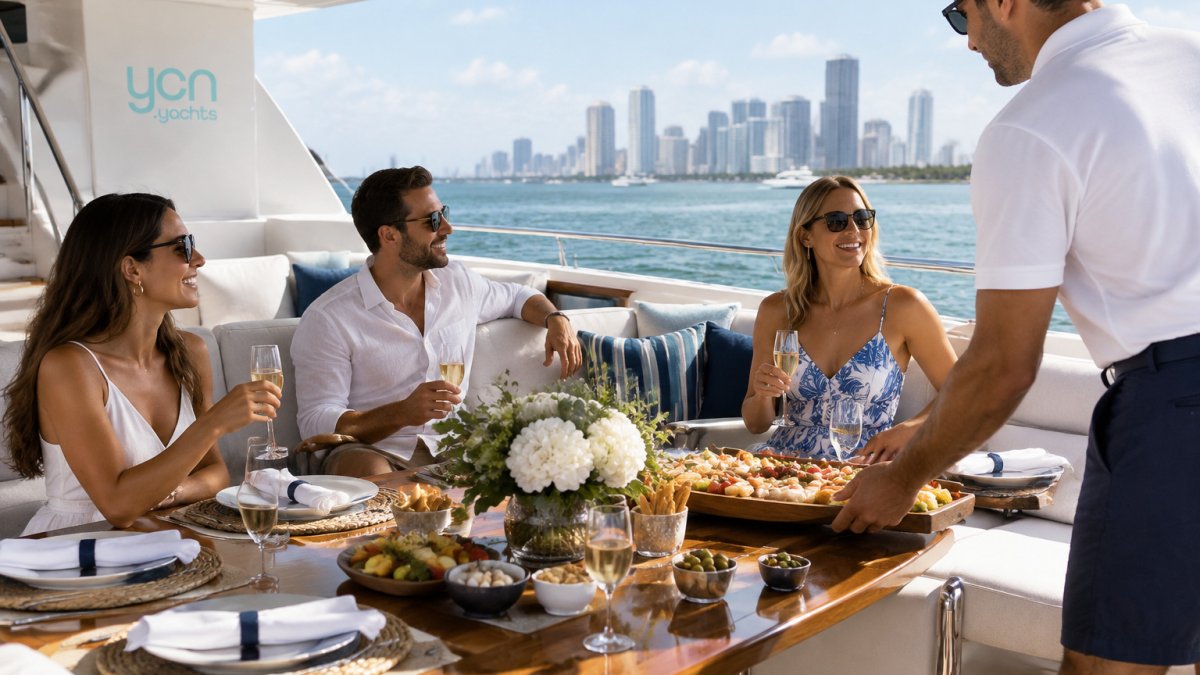
Briefing the crew well is what turns a good charter into a great one. Share your group's needs before boarding, not after.
| Preference | What to Tell the Crew | Why It Matters |
|---|---|---|
| Dietary needs | Allergies and restrictions | Menu planning |
| Celebration | Occasion and timing | Surprise setup |
| Accessibility | Mobility needs | Deck and cabin access |
| Schedule | Preferred pace | Routing and stops |
If you are booking on short notice, our tips on last minute yacht charter booking help you brief the crew fast. YCN Yachts coordinates crew preferences in advance, and our network of roughly 250 yacht crew professionals supports charters across Miami, FL, and beyond.
The difference between a good charter and a great one often comes down to the questions you ask before you book. YCN Yachts handles the coordination, from captain credentials to crew preferences, so your group can focus on the water. Reserve your yacht with YCN Yachts and let our team match you with the right captain and crew for your itinerary.
Frequently Asked Questions
What qualifications should a yacht charter captain have?
Ask about the captain's license, sea time, and medical certificate. Ask which license the captain holds for the vessel's tonnage and cruising area, and whether they carry a current seafarer medical certificate and STCW Basic Safety Training. Also ask how long the captain has run this specific yacht and this route. Experience on the waterway you plan to cruise, whether Biscayne Bay or a Bahamas crossing, matters more than total years at sea.
How many crew members will be on my yacht charter?
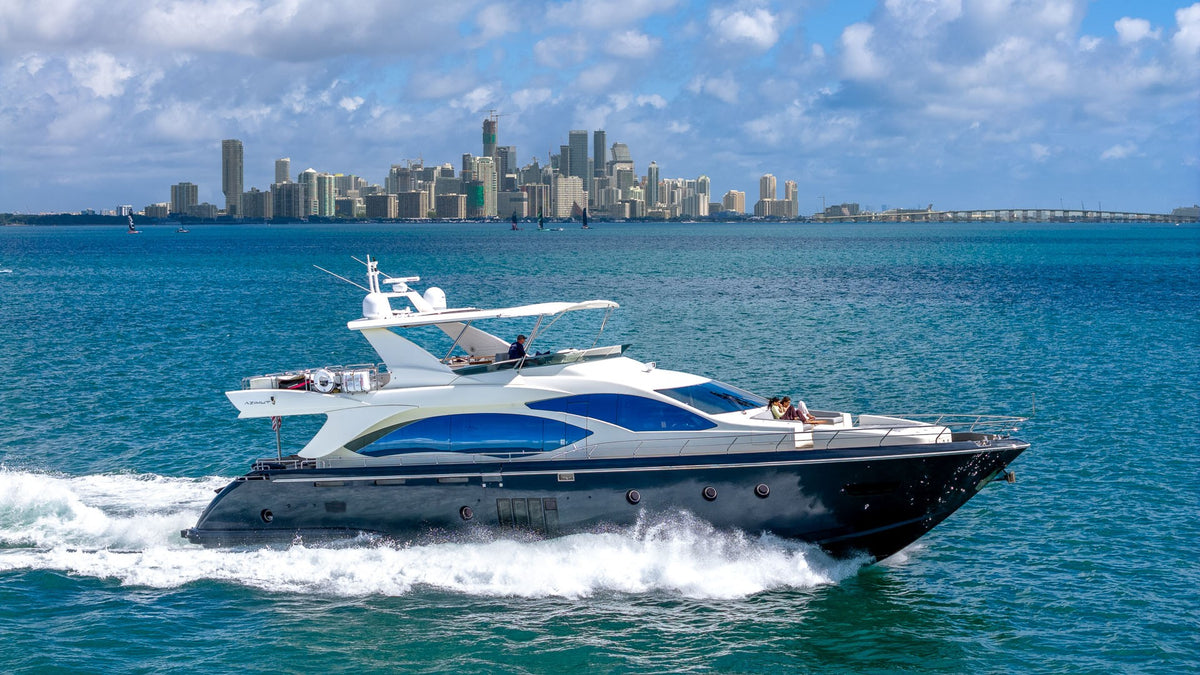
Crew size depends on yacht length, guest count, and charter type. Ask the captain and broker how many crew are assigned to a yacht like Molto Piaciuto for your trip, and whether a chef or additional interior staff is included. Ask the captain who handles food, drinks, and special requests, and confirm the crew-to-guest ratio before booking. For multi-day charters, ask about crew schedules and whether the same team stays aboard for the full trip.
Can the captain change the itinerary because of weather?
Yes, and a good captain will. Safety and sea conditions govern routing, so build flexibility into your plans. Ask the captain how they make weather calls, when they decide, and what alternate anchorages or marinas they would use. For a Miami to Bimini crossing, ask about the window for the Gulf Stream and the plan if conditions shift. A captain who explains their decision process clearly is a better sign than one who promises a fixed schedule regardless of conditions.
















Laisser un commentaire
Ce site est protégé par hCaptcha, et la Politique de confidentialité et les Conditions de service de hCaptcha s’appliquent.